
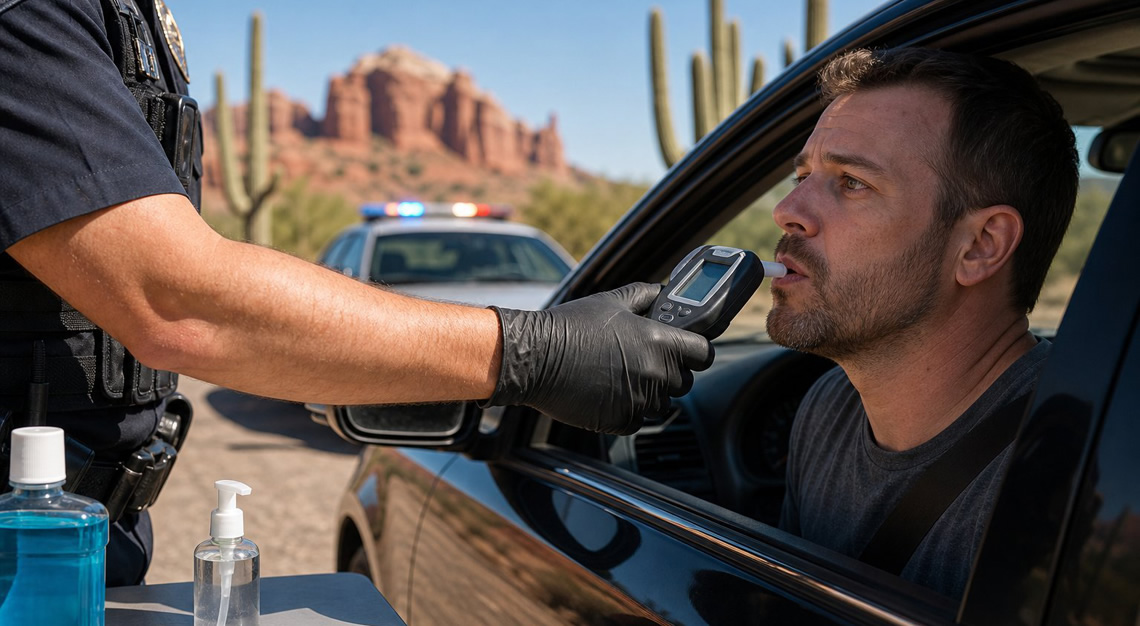
What Can Cause a False Positive Breathalyzer Test in Arizona? Medical Conditions, Substances, and Device Errors
Arizona police conduct thousands of DUI arrests each year, and with that many tests happening, errors occur when officers measure whether drivers have consumed alcohol. Breathalyzers can show that you have alcohol in your body even when you haven't had a single drink. These incorrect readings can result in arrest, criminal charges, and harm to your personal and professional life.
A false positive happens more often than most people think. Equipment problems, medical issues, certain foods, and testing mistakes can all cause a breathalyzer to give wrong results. Understanding what causes these errors matters if you face an Arizona DUI charge based on a breath test.
How Do Police Officers Determine Drunk Driving?
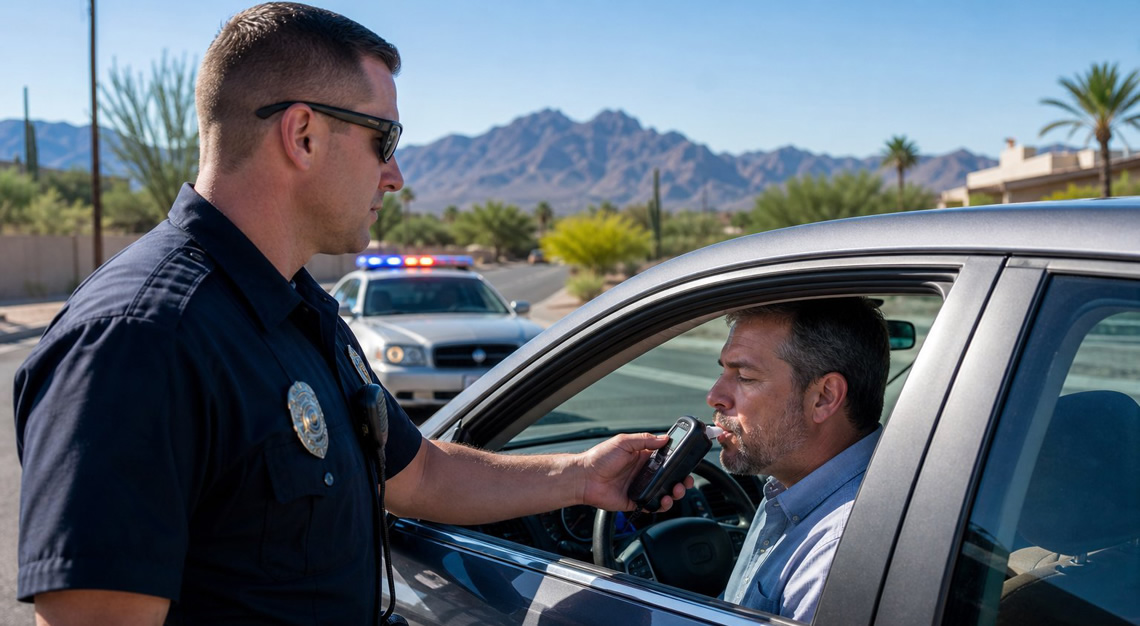
Officers use two primary testing approaches when they suspect a driver is under the influence.
Physical Coordination Assessments
The first approach involves field sobriety tests that evaluate your physical abilities. Officers ask you to complete specific tasks that check your balance and motor skills. Common tests include:
- Standing on a single leg for a set time period
- Walking heel-to-toe in a straight line and turning around
- The horizontal gaze nystagmus test, where you track a moving object with your eyes
Officers observe your performance on these field sobriety tests to assess impairment levels.
Breath Testing Devices
The second approach uses a breathalyzer to measure alcohol content in your breath. This device calculates your blood alcohol concentration and displays a numerical result. The BAC reading directly determines whether you get charged with DUI. It also influences the severity of potential charges. Police depend on breathalyzers because they provide concrete measurements instead of subjective observations.
Officers combine results from both field sobriety tests and breath analysis to make arrest decisions.
Do You Have to Take a Breathalyzer Test in Arizona?
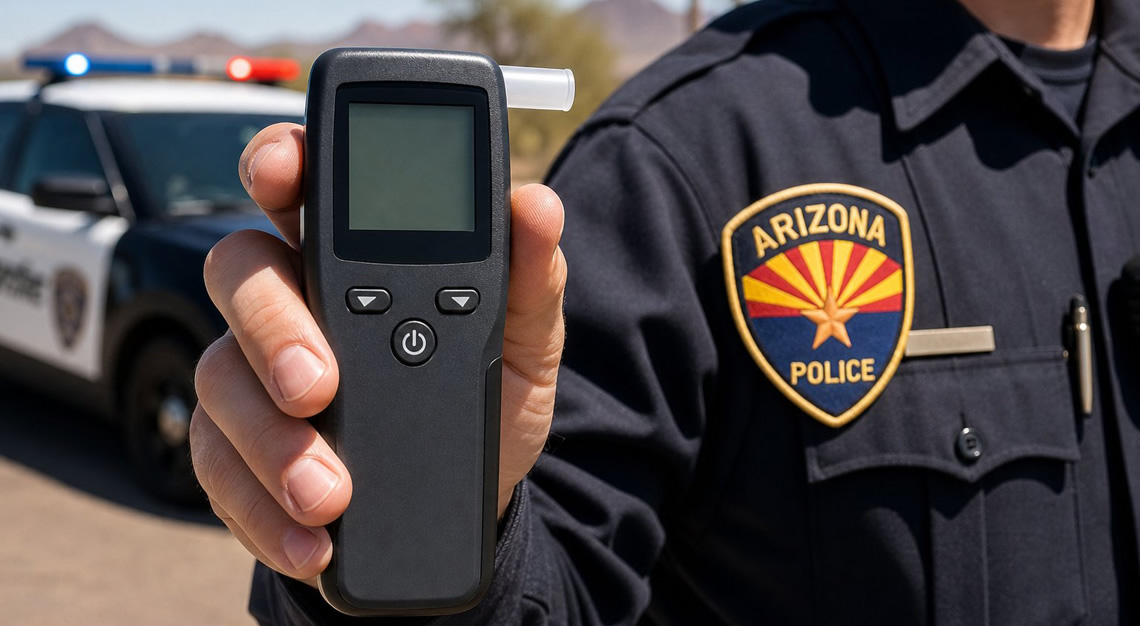
You can legally refuse a breathalyzer test in Arizona. But saying no brings automatic penalties that start immediately.
Your license gets suspended even before any court appearance. The suspension length depends on how many times you've refused testing before.
|
Refusal Number |
Suspension Period |
|---|---|
|
First time |
12 months |
|
Second time (within 7 years) |
24 months |
|
Third time (within 7 years) |
24 months |
These suspensions apply whether or not you get convicted of DUI later. They add to any other penalties from the arrest itself.
Refusing the test doesn't stop an arrest. Police can still charge you with DUI based on field sobriety tests, how you were driving, and visible signs of impairment. Your refusal simply adds more problems to the situation.
A DUI defense attorney can challenge breathalyzer results and test procedures in court. Speaking with legal counsel helps you understand your options when facing these decisions.
Understanding Breath Test Results
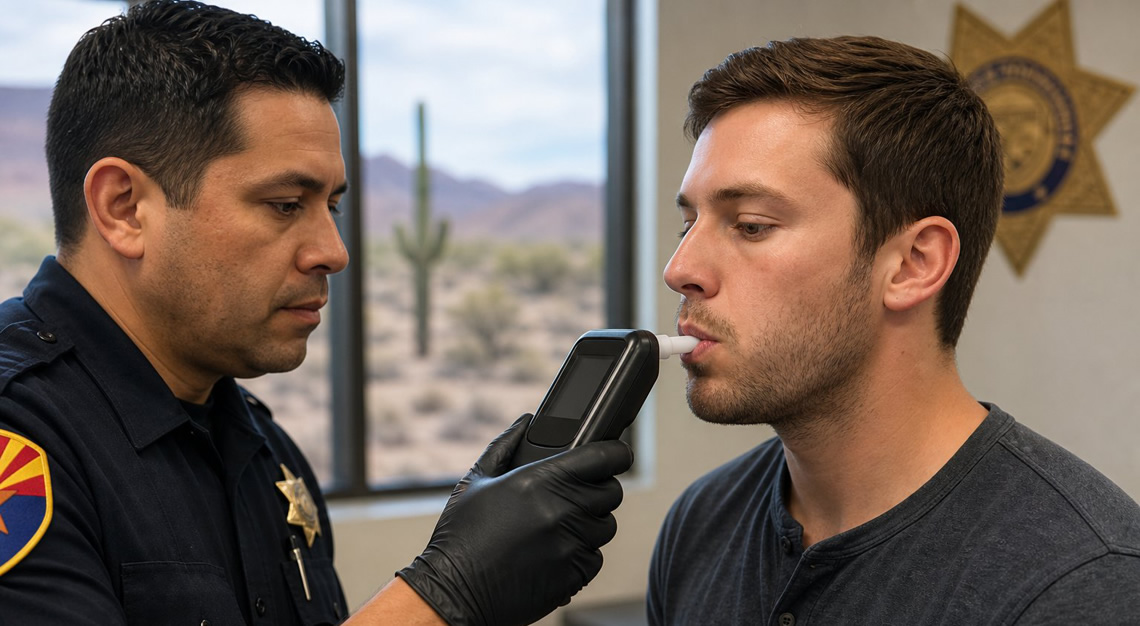
Police use breath testing devices to measure your blood alcohol concentration (BAC) when they suspect impaired driving. The machine analyzes your breath sample and calculates an estimate of the alcohol level in your bloodstream.
Arizona law sets the legal limit at 0.08% for most drivers. If you hold a commercial license, you face a lower threshold of 0.04%. Your BAC level determines the severity of charges you may face.
BAC ranges and charges:
- Standard offense: 0.08% to 0.14%
- Extreme offense: 0.15% to 0.19%
- Super extreme offense: 0.20% or above
Key Accuracy Concerns
These devices do not guarantee precise measurements every time. Testing equipment can produce incorrect readings for multiple reasons.
Device calibration errors, medical conditions, and testing procedures all impact breathalyzer results. Mouth alcohol from food or dental work may also affect the outcome. A lawyer can examine the testing methods and equipment maintenance records to identify problems with your test.
Why Breathalyzer Tests Give Wrong Results
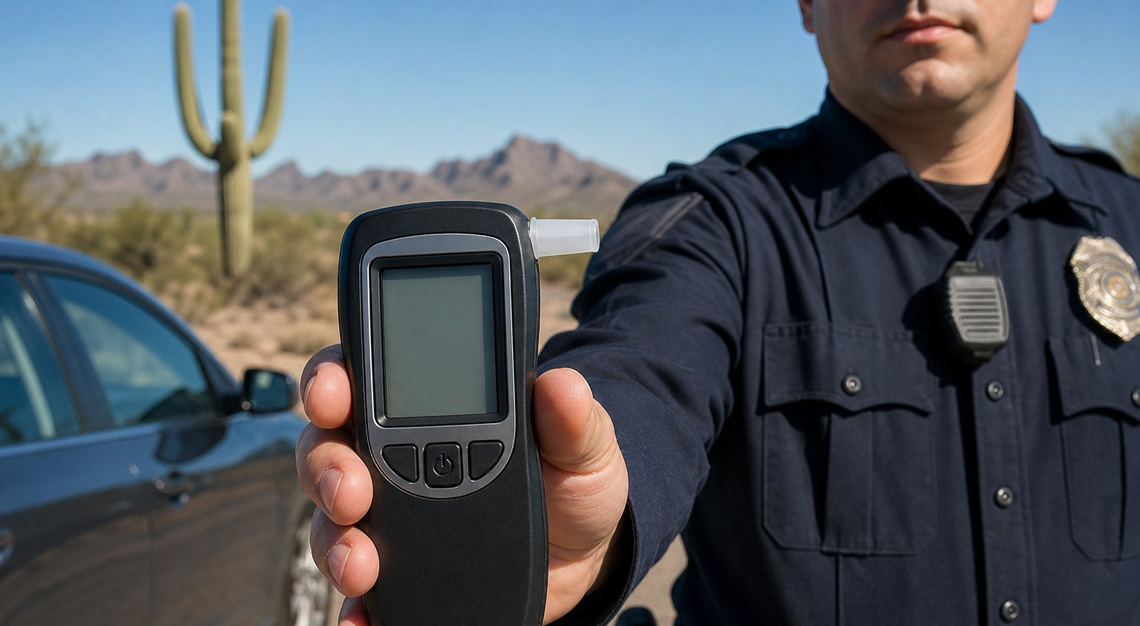
Breathalyzer machines don't always tell the truth about your blood alcohol level. These devices can display high readings even when you haven't been drinking or when your actual alcohol level is much lower. Knowing what causes these errors helps you understand how to challenge inaccurate test results.
What Makes These Tests Show False Numbers
Many different things can make a breathalyzer display numbers that are too high. Here are the main reasons:
- Devices that need proper adjustment or maintenance
- Medical problems with your stomach or digestive tract
- Medicines you take with or without a prescription
- Personal care items that have alcohol in them
- Food particles or other substances on the testing equipment
- Eating plans that affect the chemicals in your breath
- Getting tested right after you finish a drink
- Throwing up shortly before taking the test
Each of these factors can trick the machine into thinking you have more alcohol in your system than you really do. The device reads these substances and reports them as alcohol consumption.
How Stomach Issues Create Wrong Results
Your digestive system can cause what testing experts call residual mouth alcohol. This happens if you deal with conditions like GERD, heartburn, or acid reflux. These problems make stomach acid and alcohol vapors move up through your throat and into your mouth.
The breathalyzer reads these vapors when you blow into it. The machine thinks you just finished drinking alcohol. Your false positive breathalyzer test shows numbers much higher than what's actually in your blood.
The device has no way to know the difference between fresh alcohol from a recent drink and mouth alcohol from your stomach. Both trigger the sensors in the same way. This creates major problems for people with chronic digestive conditions.
Food Choices and Chemical Mix-ups
Your diet changes the chemicals that come out in your breath. People who eat low-carb or keto diets make more acetone naturally. Their bodies produce this chemical when they burn fat for energy instead of carbs.
Some breathalyzer models read acetone as alcohol. This means you can get a false positive breathalyzer reading without drinking anything at all. The machine simply can't tell acetone apart from alcohol molecules.
Medicines for stomach problems add to mouth alcohol issues too. These drugs increase acid production in your digestive system. The extra acid pushes more vapors up into your mouth during testing.
Testing timing matters a lot. If officers test you within 15 minutes of your last sip, the machine picks up leftover alcohol still sitting in your mouth. This gives results based on residual mouth alcohol instead of what's actually absorbed into your bloodstream.
Having a lawyer changes how your case unfolds. They handle paperwork, court dates, and legal arguments while you focus on daily life.
Your attorney provides clear explanations of Arizona DUI laws and penalties. They outline realistic outcomes based on your situation. This helps you make informed choices about plea deals or taking your case to trial.
Contact a defense attorney at (602) 610-5019 to discuss your arrest. You receive advice tailored to your circumstances and learn the next steps in your defense.


