
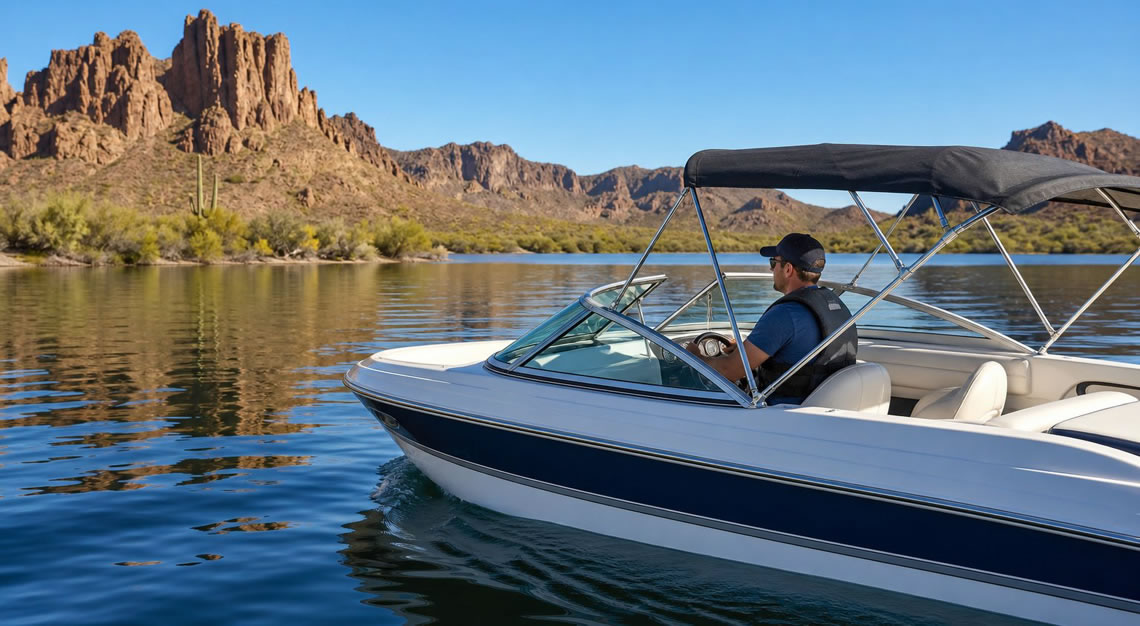
What Is a Boating DUI in Arizona? Laws, Penalties, and Legal Consequences
Understanding Boating Offenses in Arizona
Arizona's waterways attract many people during the warmer months. These recreational trips often involve alcohol, which can lead to serious legal trouble.
Operating a motorized watercraft while impaired is illegal in Arizona. This law covers various types of vessels, including:
- Boats
- Jet skis
- Waverunners
- SeaDoos
The state refers to this crime as Operating Under the Influence (OUI) or boating DUI. Law enforcement officers patrol lakes and rivers throughout Arizona to catch impaired operators.
The penalties for a boating DUI match those of a standard vehicle DUI. You face the same criminal charges and consequences whether you are on water or land. This means fines, possible jail time, and a criminal record.
You can be arrested if officers determine you are operating a motorized watercraft while intoxicated. The legal limit and enforcement standards apply the same way they do for regular DUI cases. Understanding these rules protects you from criminal charges during your time on the water.
Boating While Intoxicated Laws in Arizona
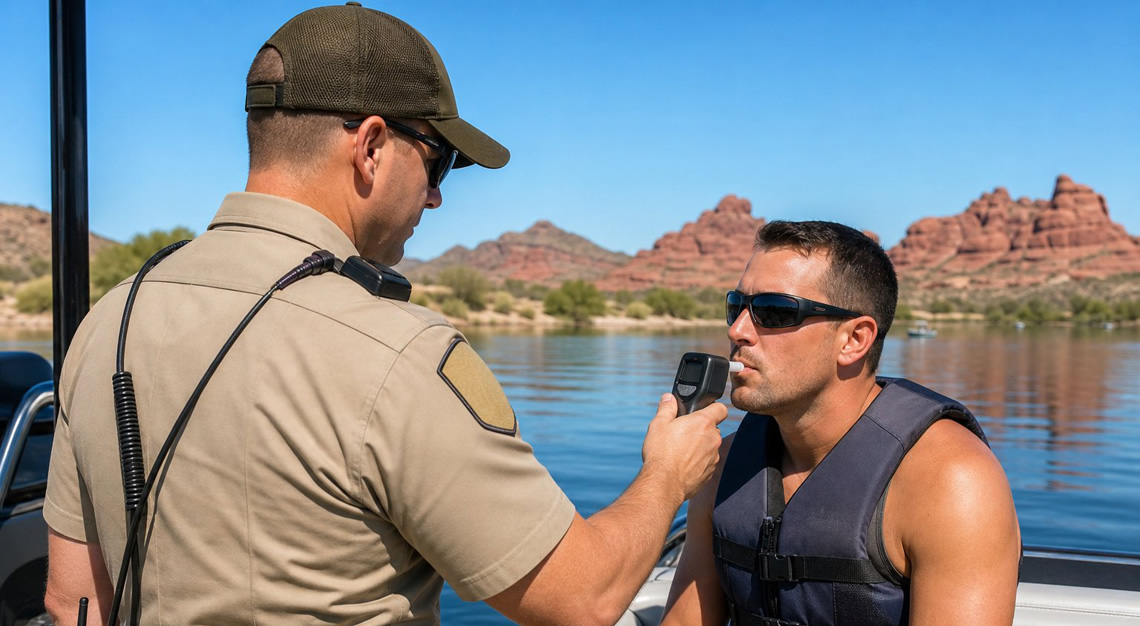
Elements Needed for Prosecution
Arizona enforces boating while intoxicated under A.R.S. § 5-395. This law covers motorized watercraft such as boats and jet skis on state waters.
You can face boating under the influence charges under three distinct circumstances:
- Being impaired to the slightest degree by alcohol, drugs, or vapor-releasing substances
- Having a BAC of 0.08% or above within two hours of operating the watercraft
- Having illegal drugs or their metabolites in your system while operating
Arizona BUI laws work the same way as the state's vehicle DUI laws. The blood alcohol limits are identical for both. You can be charged no matter when you consumed alcohol in relation to your time on the water.
Being in Control of the Boat
Operating a watercraft under the influence means more than just steering the boat. You can face charges if you have actual physical control of a motorized vessel while intoxicated.
This means charges can happen even if your boat is not moving. What matters is whether you maintain control over the watercraft. Being in a position to operate the vessel while impaired can lead to criminal charges under Arizona BUI laws.
Water Safety Checkpoints in Arizona
When Enforcement Increases
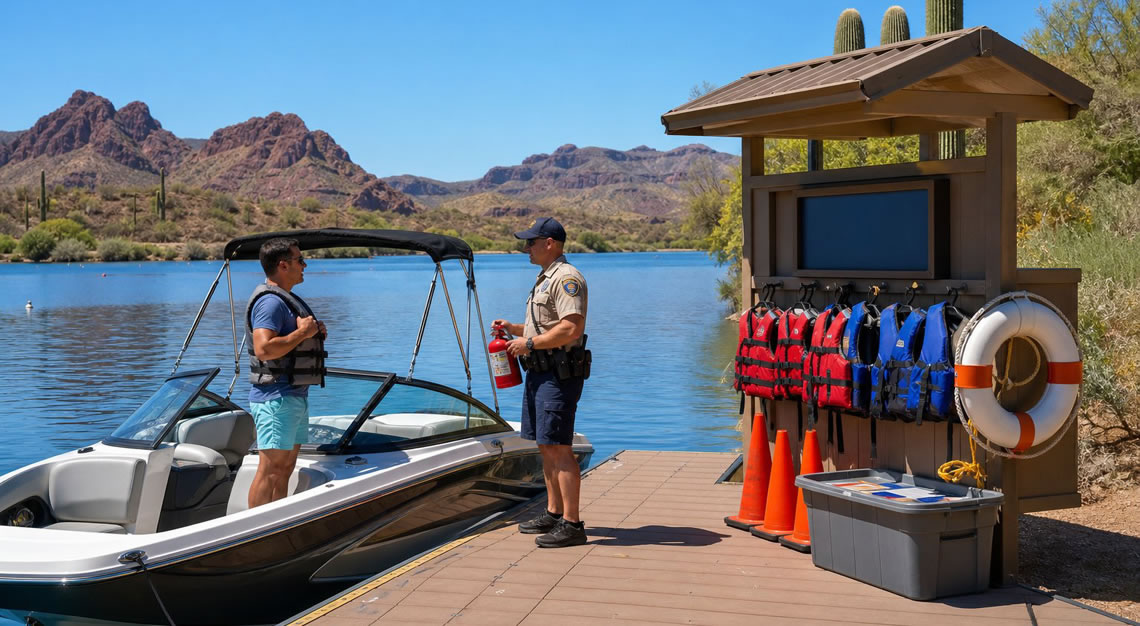
Law enforcement agencies ramp up their presence on Arizona waterways during specific times of the year. The Arizona Game and Fish Department and county sheriff marine units increase their checkpoint operations from March through September. This period matches when warm weather brings the most boaters and personal watercraft operators to Arizona lakes and rivers.
Common Checkpoint Locations
Officers focus their efforts on bodies of water that attract the most recreational boating traffic. You might encounter water safety checkpoints at Lake Havasu, Bartlett Lake, Lake Pleasant, and Saguaro Lake. These popular destinations draw large crowds during warmer months.
Officer Authority at Checkpoints
Game and Fish wardens have full peace officer status when working on Arizona waterways. They can stop your watercraft at checkpoints without needing a specific reason to pull you over. County sheriff marine patrol units have the same legal powers. At these stops, officers can:
- Ask for your identification
- Test you for sobriety
- Issue citations for violations
- Make arrests when they discover illegal activity
Understanding Your Rights During a Boating DUI Stop
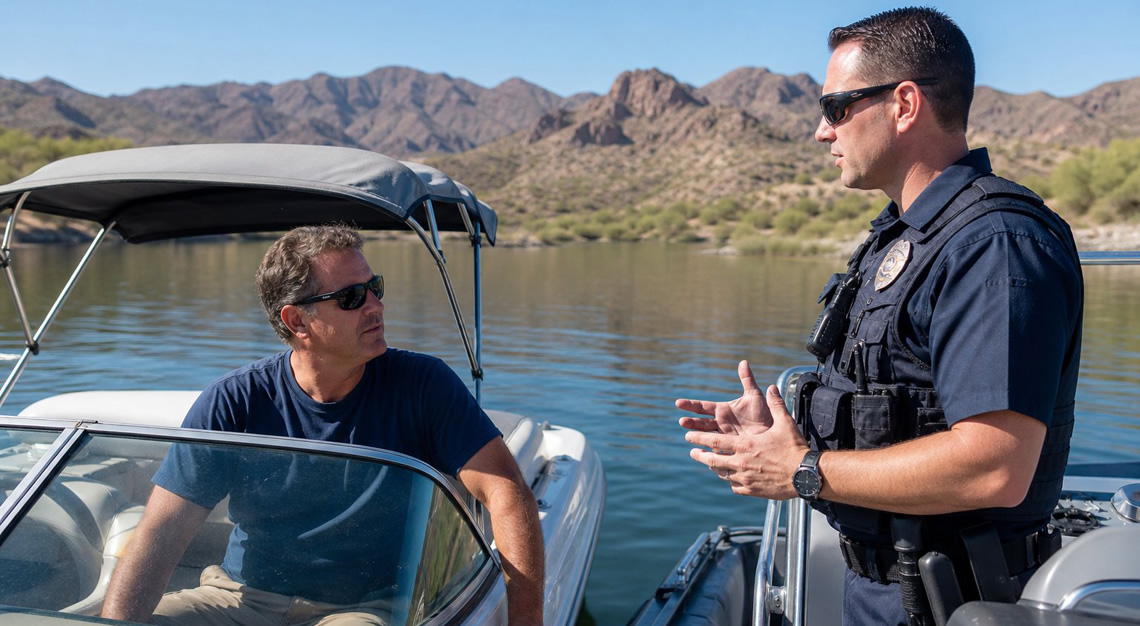
Officers can stop your boat at water checkpoints and ask you to take field sobriety tests. These tests happen on your moving watercraft, which makes them hard to complete even when you're not impaired. The rocking motion and unsteady surface can make you look drunk when you're actually sober.
You can say no to field sobriety tests on the water. Breathalyzer and blood tests give more accurate results about your condition.
Your Legal Protections Include:
- Staying quiet when officers question you
- Asking for a lawyer to help you
- Talking to an attorney before you agree to any tests
You can request legal representation before taking breath or blood tests. Your request cannot cause unreasonable delays in collecting samples.
These rights help you make smart choices when law enforcement stops you on the water.
Penalties for Boating While Intoxicated in Arizona
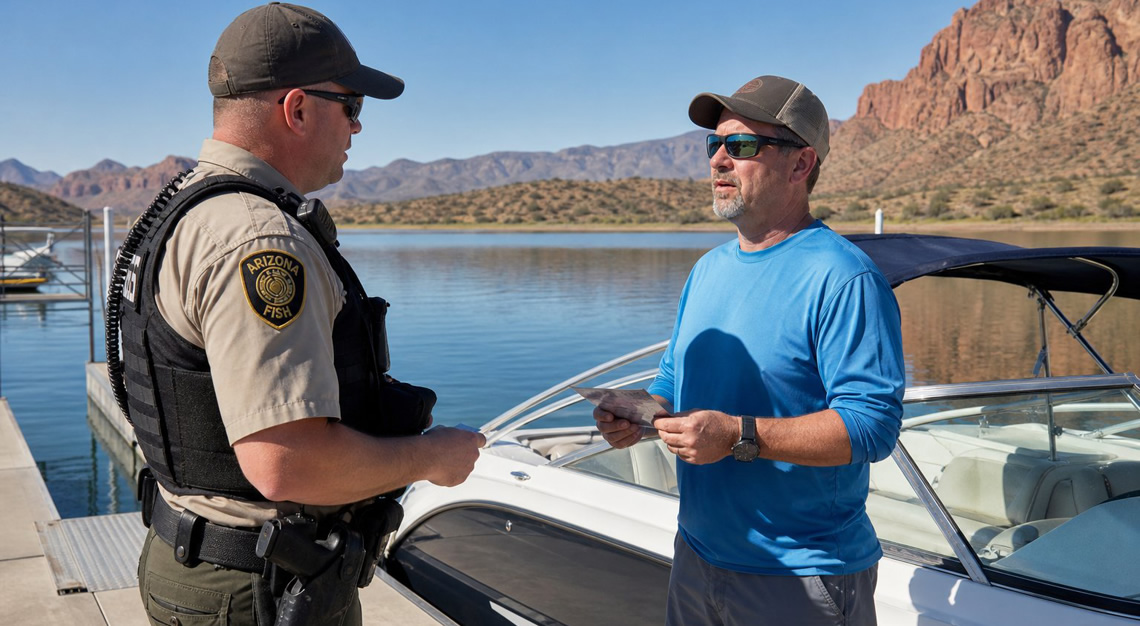
The penalties you receive depend on your blood alcohol content and whether you have prior offenses.
First Offense (BAC 0.08-0.15)
You face a Class 1 misdemeanor charge. Jail time can reach up to six months, but the court may suspend your sentence if you complete alcohol screening and treatment.
You will owe around $2,100 in fines.
Second Offense (within five years)
The penalties increase significantly. You must serve at least 90 days in jail. The court can suspend 60 days if you finish an alcohol evaluation program.
Your fines total approximately $2,500. This remains a Class 1 misdemeanor charge.
Third Offense (within five years)
You must serve a minimum of six months in jail. You are required to complete alcohol screening courses under A.R.S. § 5-397 and pay about $2,500 in fines.
Your charge may be elevated to a felony.
|
Offense |
Minimum Jail |
Fine |
|---|---|---|
|
First |
Up to 6 months (may be suspended) |
$2,100 |
|
Second |
90 days (60 may be suspended) |
$2,500 |
|
Third |
6 months |
$2,500 |
Elevated BAC Offenses on Watercraft
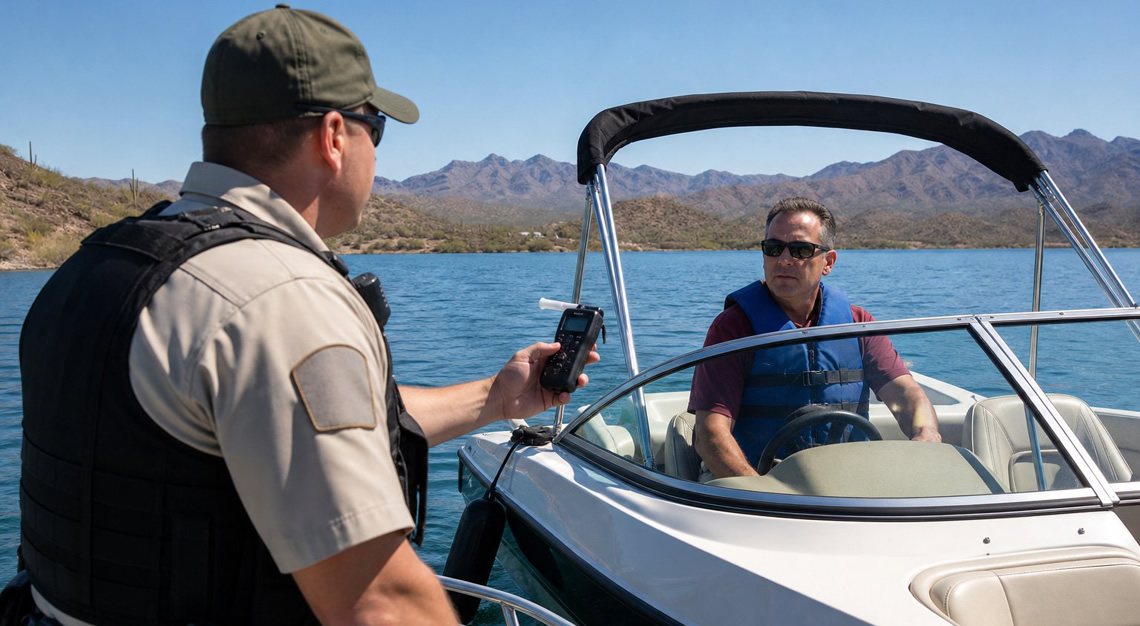
Operating a boat with a blood alcohol concentration above .15 within two hours of use leads to more serious criminal penalties. These cases fall under extreme BUI charges and carry stricter consequences than standard boating violations.
Repeat Elevated BAC Offense (within 5 years):
A second conviction within a five-year period brings significantly harsher penalties. You face a minimum of 120 days in jail, though the court may suspend up to 60 days of that sentence.
|
Penalty Type |
Requirement |
|---|---|
|
Jail Time |
120 days minimum (60 days may be suspended) |
|
Fines |
Approximately $2,500 |
|
Education |
Alcohol education classes required |
|
Criminal Record |
Class 1 misdemeanor |
You must complete at least 60 days of actual jail time. The court cannot reduce this mandatory minimum. This represents a four-fold increase compared to first-time violations.
Additional requirements include mandatory alcohol education programs and substantial fines totaling around $2,500. The conviction remains on your record as a Class 1 misdemeanor.
Challenging Your Arizona Watercraft Impairment Case
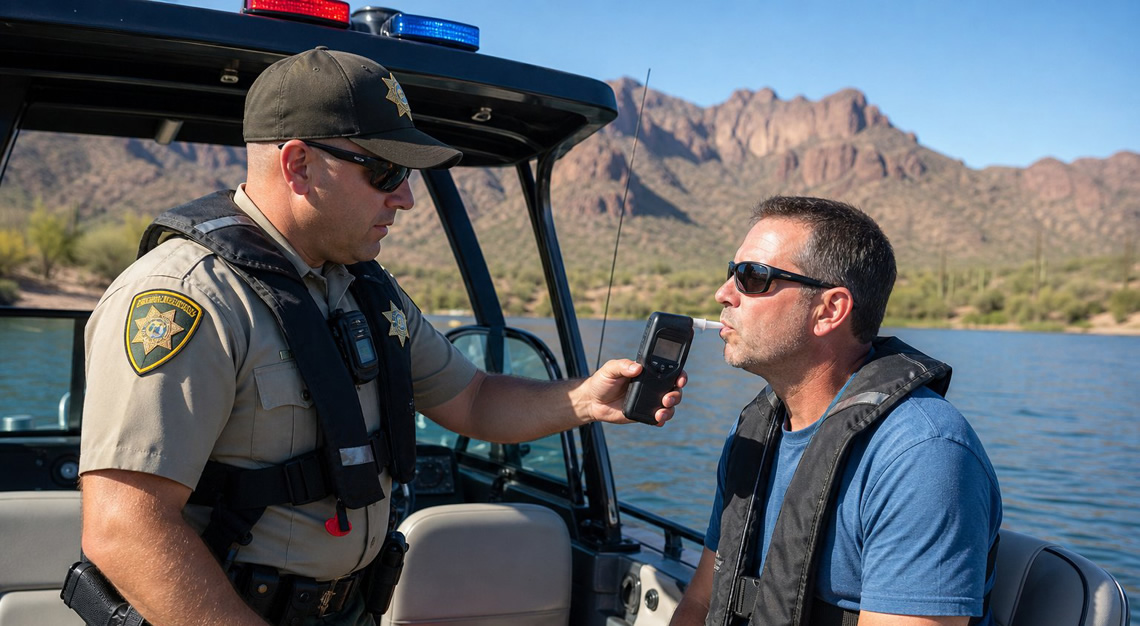
Lack of Valid Grounds for Detention
Officers must have legitimate reasons to believe you operated your boat while impaired before making an arrest. Your attorney can examine whether law enforcement had proper justification to stop and detain you on the water.
Problems with testing methods can hurt the state's case against you. Officers must follow specific protocols when administering sobriety checks, blood draws, or breathalyzer tests. When these procedures are performed incorrectly, the evidence may be excluded from court. Breath testing equipment requires ongoing maintenance and calibration. These machines must be calibrated to within 10% accuracy every 31 days and complete a seven-test quality assessment every 90 days. If officers fail to meet these standards, your test results could be dismissed.
Other Defense Strategies
Your lawyer might review whether the initial stop was lawful. Officers need reasonable suspicion before stopping your watercraft. Stops based on race, gender, religion, or age violate your constitutional protections.
Additional defense options include:
- Illegal search and seizure of evidence from your boat
- Improper administration of Miranda warnings
- Mistakes in handling or analyzing forensic samples
- Medical conditions that mimic signs of impairment
- Environmental factors affecting balance on water
Each case has unique facts that could support your defense.
Legal Representation for Arizona Boating Offenses

Getting charged with operating a watercraft while impaired means you need a boating dui lawyer who understands the specific rules for these cases. Legal professionals who handle these charges know how Arizona enforces its boating laws and can build a defense based on your specific situation.
A defense attorney will:
- Review the facts of your arrest and charges
- Create a legal strategy for your case
- Represent you during court appearances
- Negotiate with prosecutors to seek reduced penalties
Skilled legal counsel can examine whether law enforcement followed proper procedures during your stop and arrest. Your attorney will look for weaknesses in the prosecution's case and work toward the best possible outcome. This might include getting charges dropped or penalties reduced based on the evidence.
Talking with a legal professional early helps you understand what you face and what options exist.
Legal help is available to protect your rights and guide you through the court process. Contact a qualified criminal defense team to discuss your case and explore your options for representation.
Call the defense team at (602) 610-5019 to set up your free consultation.


